Trophy fishing days happen when several favorable conditions align. Tides, water temperature, bait movement, weather, season, habitat, and fishing pressure all influence when larger fish feed and where they gather. Anglers who want to catch bigger fish should understand that success involves much more than luck.
At YACHTFISH Fishing Charters, our Captains monitor these changing conditions throughout Tampa Bay and the Gulf of Mexico. Although no Captain can control the size of a wild fish, local experience can put every Guest in a stronger position to connect with a memorable catch.
Bigger Fish Follow the Food
One of the most important lessons about how to catch bigger fish is to follow the bait. Large predators must conserve energy, so they often wait where current or structure delivers an easy meal.
Inshore, schools of Pilchards, Pinfish, and Threadfin Herring may attract Snook, Redfish, Trout, and Tarpon. Offshore, concentrations of Sardines and other baitfish can draw Grouper, Snapper, Kingfish, Amberjack, and Cobia to reefs, wrecks, and hard-bottom areas.
Our Captains look for diving birds, surface activity, changes in water color, and promising sonar readings. Because bait can move quickly, a private charter gives us the flexibility to leave an unproductive location and follow the developing bite.
Moving Tides Create Feeding Opportunities
Tides do more than raise and lower the water. Moving water carries bait, provides access to shallow habitat, and concentrates prey near points, passes, bridges, channels, and oyster bars.
On a rising tide, Redfish and Snook may move onto flooded grass flats or along mangrove shorelines. As the tide falls, bait is pulled through drains and creek mouths, creating natural feeding stations for larger predators.
The ideal tide varies by species, season, and location. Guests can view local predictions through NOAA Tides and Currents, but knowing how a specific tide affects a particular fishing spot requires local experience. Timing these feeding windows is a major part of learning how to catch bigger fish in Tampa Bay.
Water Temperature Changes Fish Behavior
Water temperature influences metabolism, oxygen levels, bait movement, and seasonal migrations. Even a small change can determine whether a large fish feeds aggressively or remains close to cover.
During hot weather, larger Trout may favor deeper grass beds, channels, or areas with stronger current. As Gulf temperatures cool, Kingfish and Cobia may follow bait closer to the coast. Gag Grouper may also move toward structure that is more accessible from Tampa Bay during cooler periods.
Our guide to summer fishing in Tampa Bay explains how seasonal conditions affect local opportunities. Understanding temperature patterns helps our Captains determine how to catch bigger fish without relying on yesterday’s locations.
Weather Can Improve or Disrupt the Bite
Cloud cover, wind direction, barometric pressure, and recent storms can affect water clarity and feeding behavior. A light breeze may create enough surface disturbance to make a large fish feel less exposed. Stronger wind can muddy one shoreline while pushing bait toward another.
Conditions before and after a front may also produce very different results. Fish sometimes feed actively before a weather change, then become less aggressive after the front passes.
Safety always comes first. Before every trip, our Captains review current marine forecasts and monitor changing conditions throughout the day. When conditions are unsafe, your Captain may recommend changing the fishing plan, rescheduling the charter, or issuing a refund in accordance with YACHTFISH Fishing Charters’ weather policy. Guests can also review the latest National Weather Service forecast for Tampa Bay waters before departure.
Trophy Fish Often Use Different Habitat
Smaller fish and mature fish of the same species do not always live or feed in identical places. Large Snook may favor deep passes, bridges, or strong ambush points. Mature Redfish can travel along channel edges or gather in seasonal schools. Big Grouper often claim structure that provides both protection and a reliable food supply.
Learning how to catch bigger fish involves more than visiting a general hotspot. Boat position, casting angle, depth, current direction, leader strength, and bait presentation all matter.
Our Tampa Bay Inshore Fishing Charters explore flats, mangroves, passes, bridges, and other productive habitat. Guests seeking offshore action can choose our Tampa Bay Deep Sea Fishing Charters to reach Gulf reefs, wrecks, ledges, and hard bottom.
Seasonal Movements Create Trophy Windows
Every species has periods when larger fish become more accessible. Tarpon migrate through Tampa Bay during spring and summer. Snook move between backwaters, flats, passes, and beaches as temperatures and spawning patterns change. Offshore species respond to water temperature, bait concentrations, and seasonal conditions.
Choosing the right month cannot guarantee a trophy, but it can put your group in the right fishery at the right time. Our expert guide to Trophy Tarpon fishing in Tampa Bay shows how migration creates opportunities to encounter the Silver King.
Guests who want to know how to catch bigger fish should share their preferred species when booking. Our team can recommend an appropriate season, trip type, and duration.
Longer Charters Provide More Options
A longer charter does not make a large fish bite, but it gives the Captain more time to travel, locate bait, test patterns, and adjust when conditions change.
Travel time is especially important on deep-sea trips because productive offshore structure may be many miles from shore. A longer trip may allow the Captain to fish several depths or move between bottom fishing and trolling opportunities.
If catching a trophy is your main goal, tell us before departure. We can discuss whether an inshore, nearshore, or offshore trip provides the best opportunity for the season.
The Right Tackle and Presentation Matter
Large fish test every part of an angler’s setup. The rod, reel, line, leader, hook, bait, drag setting, and knot must work together. Equipment that is too light may prolong the fight or break under pressure, while tackle that is unnecessarily heavy may make a natural bait presentation difficult.
YACHTFISH Fishing Charters supplies professional equipment suited to the day’s target species. Our Captains also show each Guest how to hold the rod, maintain pressure, and respond when a powerful fish runs toward structure.
Using the right bait is equally important. Larger bait can sometimes appeal to larger predators, but it is not a universal rule. Matching the bait already present may be the better answer when determining how to catch bigger fish.
Regulations Help Protect Larger Fish
Size limits, bag limits, closed seasons, and catch-and-release rules protect fish populations and spawning stock. The Florida Fish and Wildlife Conservation Commission provides current regulations for Florida saltwater species.
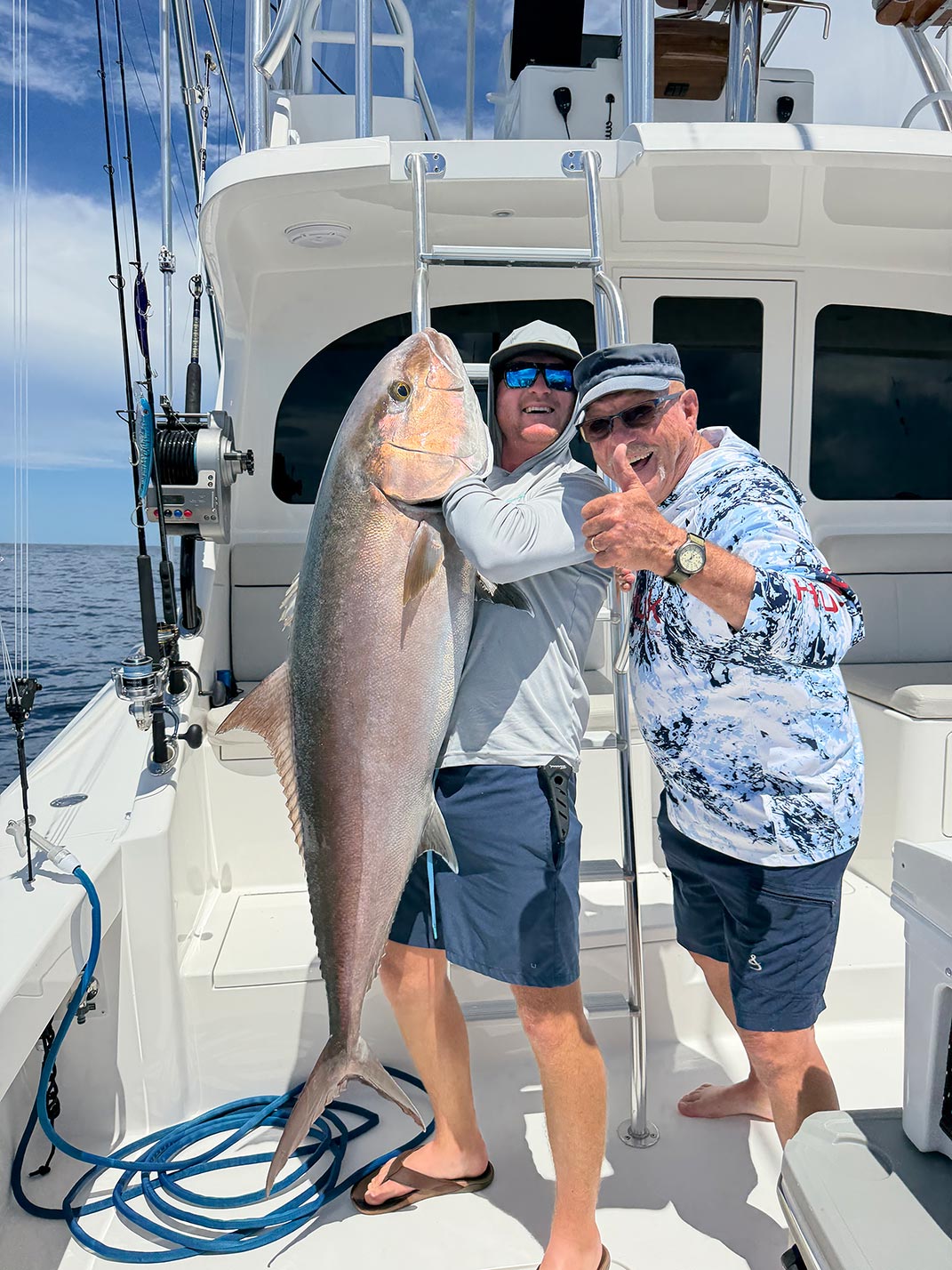
Our Captains stay informed about these requirements and handle compliance during every charter. Some of the biggest fish must or should be released. Suitable tackle, careful handling, and a quick photo can help a trophy return to the water safely.
Responsible fishing gives future Guests the opportunity to experience larger fish and healthy fisheries throughout Tampa Bay.
Why a Private Fishing Charter Makes a Difference
Private fishing charters allow Captains to focus on one group’s abilities, interests, and goals. The tackle can be matched to the target species, instruction can be personalized, and the plan can change as new information develops throughout the day.
No Captain can promise that every trip will produce a trophy fish. Some days align perfectly, while others require patience and repeated adjustments. YACHTFISH Fishing Charters provides local knowledge, professional equipment, careful preparation, and a crew committed to making the most of the available conditions.
Those advantages are valuable for any Guest learning how to catch bigger fish in Tampa Bay.
Plan Your Tampa Bay Fishing Charter
The most productive trophy days occur when several favorable conditions come together. When bait, tides, temperature, weather, habitat, and seasonal timing align, large predators have a reason to feed.
Ready to learn how to catch bigger fish with experienced local Captains? Contact YACHTFISH Fishing Charters to plan a private Tampa Bay fishing trip built around your group and the season’s best opportunities.